
Office Building Security Guard in Chatsworth
What Property Managers Should Know Before Hiring
- Licensed Security in California
- Highly Trainded Guards
- Local Service in chatsworth
- 24/7 Support
- Licensed Security in California
- Highly Trainded Guards
- Local Service in chatsworth
- 24/7 Support
Valuable Equipment
Visitor Management
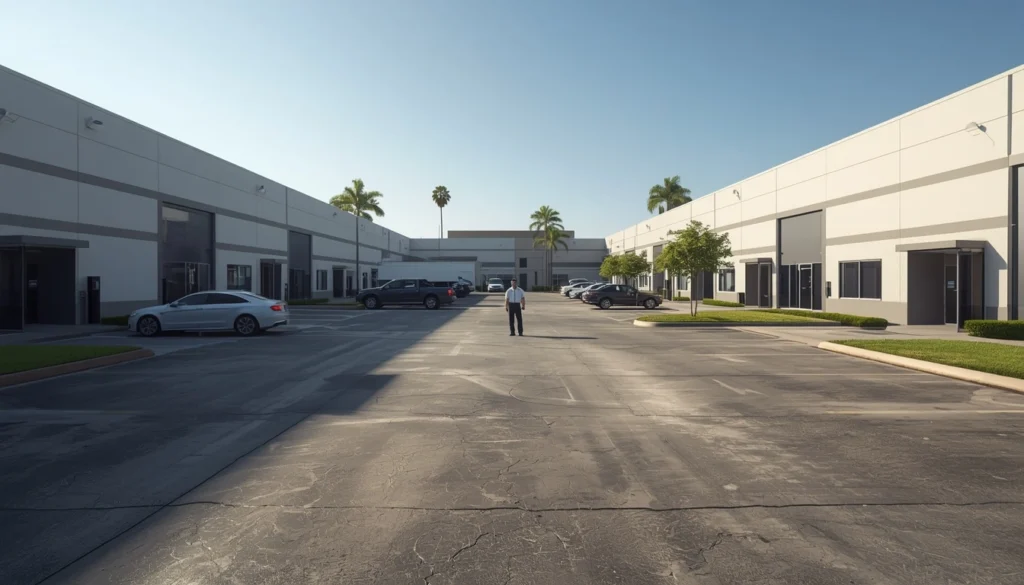
Parking Areas
After-Hours Access
Why Chatsworth Offices Need Dedicated Security
Chatsworth is a mix of business parks, light industrial space, medical offices, and growing commercial corridors. Along Topanga Canyon Boulevard, Devonshire Street, and Nordhoff Street, you’ll find everything from small professional suites to large campuses that stay busy from early morning until well after dark.
That mix creates real security challenges:.
Read More
- Large, spread-out properties. Parking lots, side entrances, and loading docks are hard to watch without people on site.
- After-hours exposure. Many buildings are nearly empty at night, which is when break-ins, vandalism, and loitering tend to happen.
- High-value contents. Tech firms, medical practices, and manufacturers keep expensive equipment and sensitive data on site.
- Easy freeway access. The proximity of the 118 makes quick getaways easier for opportunistic offenders.
Cameras and alarms help, but they mostly record problems after the fact. A trained guard can stop a problem before it starts
What an Office Building Security Guard Actually Does
Many people picture a guard as someone who watches a monitor and waves at visitors. Good guards do far more than that.
Access Control and Visitor Management
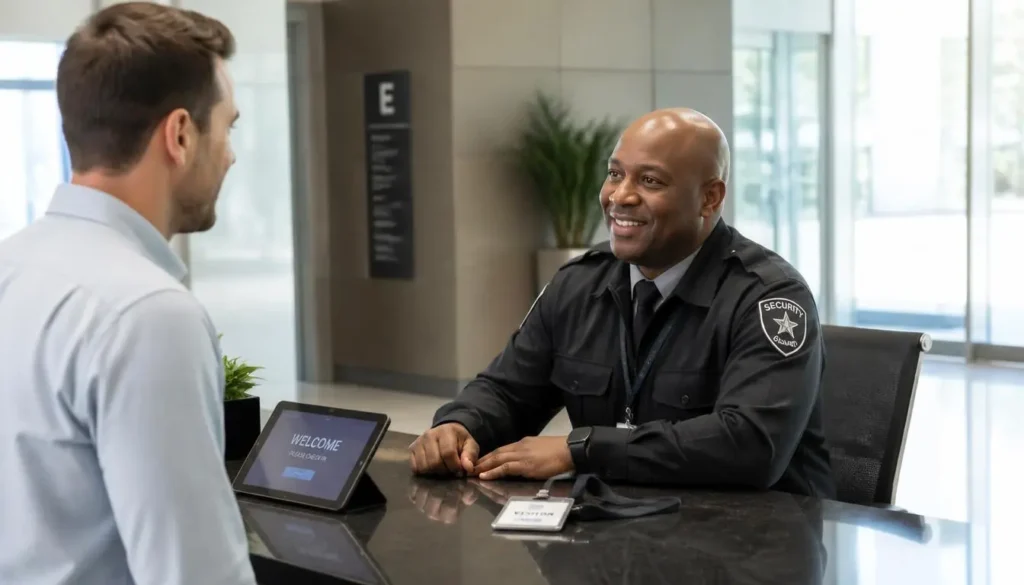
The front desk is your first line of defense. A guard checks in visitors, verifies appointments, issues badges, and keeps a clear log of who comes and goes. After hours, the same guard makes sure only authorized tenants and staff get in. This matters a lot in multi-tenant buildings, where dozens of companies share one lobby.
Patrols and Incident Response
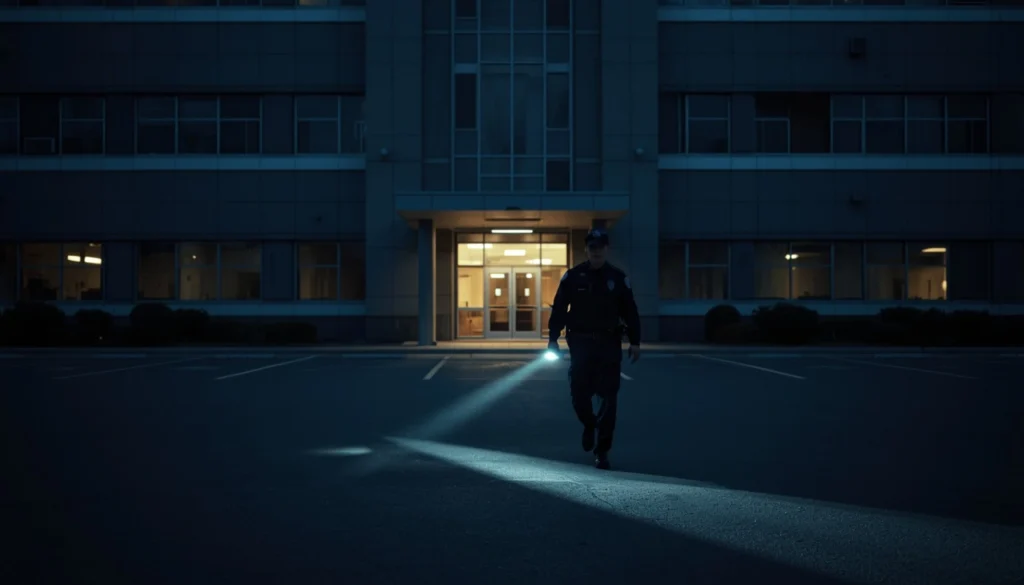
Regular patrols, inside and out, deter trouble and catch small issues early: a propped-open door, a broken light, a suspicious vehicle in the lot. When something does happen, the guard documents it, contacts the right people, and works with police or the fire department if needed.
A Friendly Face for Tenants and Guests
The best guards are also ambassadors. They greet people by name, give directions, escort employees to their cars at night, and help during minor emergencies. That kind of presence makes tenants feel looked after, and happy tenants renew their leases.
Emergency Readiness
Fires, medical emergencies, earthquakes, and power outages all require calm, quick action. Your guard should know evacuation routes, where the first aid kits and extinguishers are, and who to call. Ask any candidate how they’d handle a mid-day earthquake. The answer tells you a lot.
Armed vs. Unarmed Guards: Which One Fits Your Building?
This is one of the most common questions property managers ask, and the answer depends on your risk level rather than a general rule.
Armed guards
Armed guards may make sense when: The property stores high-value assets, cash, or controlled materials There’s a documented history of serious incidents nearby A tenant’s insurance or contract requires it
Unarmed guards
Unarmed guards are the right choice for most standard office buildings. They provide visibility, access control, and incident reporting at a lower cost, and they reduce liability concerns.
How to Choose the Right Provider
Price matters, but it shouldn’t be the first thing you look at. A guard who is cheap and unreliable costs you more in the long run.
Questions Worth Asking
- How do you screen and train your guards, beyond the state minimum?
- Will the same people be assigned to my building, or will they rotate constantly?
- What happens if a guard calls in sick? Do you have backup coverage?
- How do you supervise officers in the field?
- Can I see sample incident reports and daily activity logs?
- Can you provide references from similar office properties nearby?
Consistency is underrated. A guard who knows your tenants, your quirks, and your building’s normal rhythms will spot problems that a stranger would miss.


Licensing and Compliance in California
California regulates the security industry closely, and you should too. Here’s what to check before signing any contract:
- Private Patrol Operator (PPO) license. The company itself must be licensed by the state’s Bureau of Security and Investigative Services (BSIS). You can verify this online.
- Guard cards. Every individual guard must hold a valid registration card and complete required training.
- Firearms permits. If you’re hiring armed guards, each officer needs the proper firearm permit on top of their guard card.
- Look for general liability and workers’ compensation coverage, and ask to see the certificates, not just a promise.
A legitimate provider will hand over these documents without hesitation. If they get vague or defensive, walk away.
Red Flags
Price matters, but it shouldn’t be the first thing you look at. A guard who is cheap and unreliable costs you more in the long run.
Questions Worth Asking
- Prices far below every other quote
- No clear answer on licensing or insurance
- High turnover, with new faces every week
- No written post orders or reporting system
- Pressure to sign a long contract before you’ve met the team
Local Providers vs. Larger Los Angeles Firms
When comparing options, you’ll find two broad types. Large companies offering security guard services in Los Angeles often bring deep resources, 24/7 dispatch centers, and the ability to cover many sites. Smaller, locally focused companies tend to offer more personal attention, faster response times in the Valley, and more flexibility on scheduling.
Neither is automatically better. A large firm may suit a multi-property portfolio across the region. A local operator may be the better match for a single office building where relationships and quick responses matter most. Whichever way you lean, ask for a trial period or a short initial term so you can judge the service before committing.
What Does It Cost?
Pricing varies, and anyone who quotes you a flat number without asking questions isn’t being straight with you. The main factors are:
- Hours of coverage. Round-the-clock posts cost more than business-hours-only coverage.
- Armed or unarmed status.
- Specialized duties. Concierge-style front desk work, mobile patrols, or technology monitoring all change the price.
- Contract length and number of posts.
- Experience level. Seasoned officers command higher pay, and it usually shows in performance.
Request itemized quotes from at least three companies and compare them line by line. This helps you see where the money is going.
Getting the Most Out of Your Security Team
Hiring a good provider is only half the job. A few habits make the partnership work better:
- Write clear post orders. Spell out exactly what the guard should do during each shift, including who to call in an emergency.
- Introduce the guards to tenants. People cooperate more with someone they know.
- Review reports regularly. Patterns, like repeated after-hours loitering in one corner of the lot, help you fix root causes.
- Combine people with technology. Cameras, access cards, and good lighting work best when a trained person is there to act on what they show.
- Give feedback early. Small issues are easy to fix in the first month and hard to fix in the twelfth.